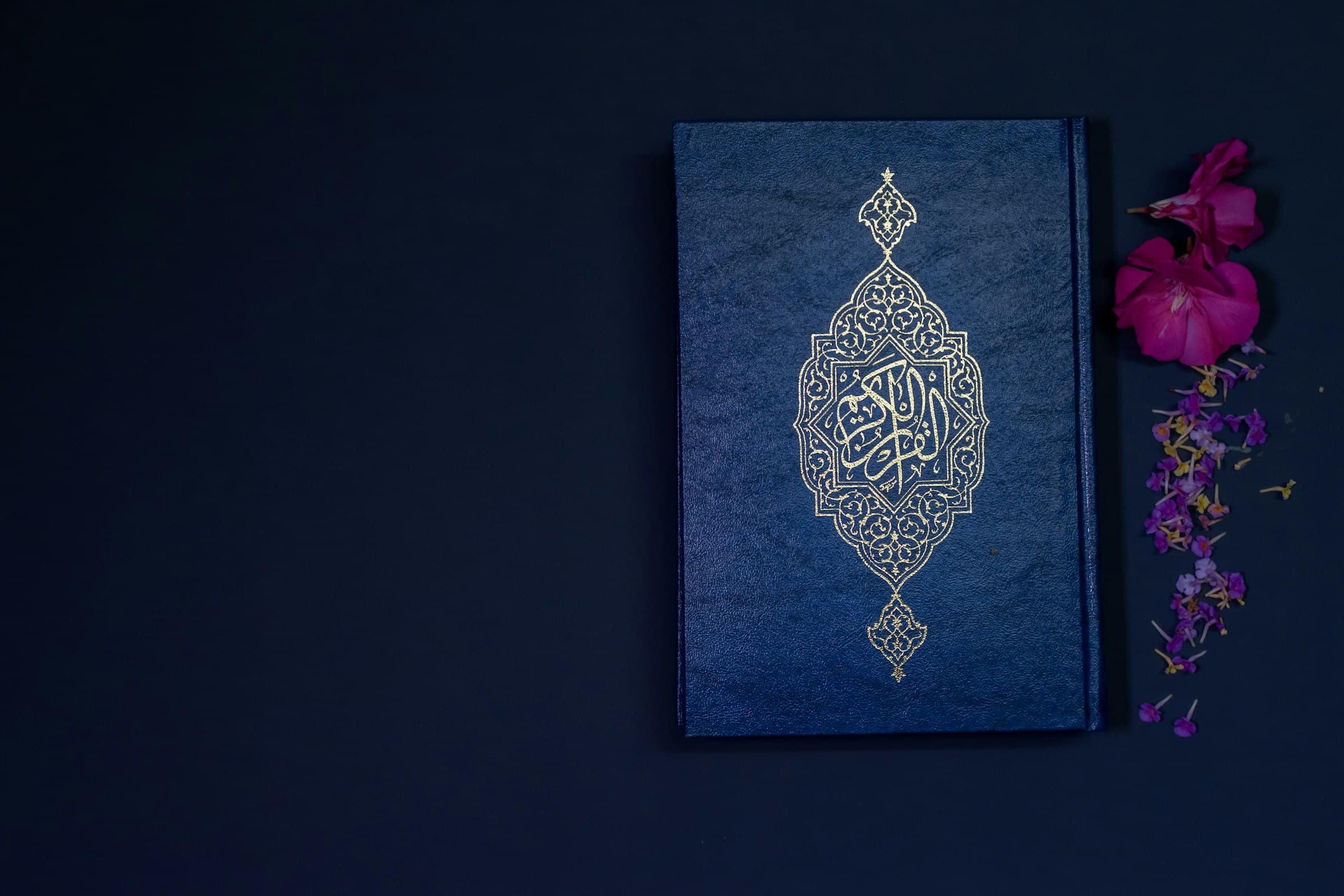
The Science of Tajweed
Tajweed is not just about pronunciation; it is a science that preserves the authenticity of the Divine Word. It involves studying the articulation points (Makharij) and the characteristics (Sifaat) of letters.
Essential Rules We Cover
1. Noon Saakinah & Tanween
These are rules applied when a word ends with a static 'N' sound. There are four sub-rules:
- Izhar (Clarity)Pronouncing clearly without nasal sound.
- Idgham (Merging)Merging the 'N' into the next letter.
- Iqlab (Conversion)Changing 'N' to 'M' sound.
- Ikhfa (Hiding)Hiding the 'N' sound with a nasal tone.
2. Meem Saakinah Rules
Rules regarding the static 'M' sound are simpler but crucial for flow:
- Ikhfa Shafawi: Hiding 'M' when followed by 'B'.
- Idgham Shafawi: Merging 'M' into another 'M'.
- Izhar Shafawi: Clarity for all other letters.
3. The Rules of Madd (Prolongation)
Not all vowels are equal. Some are stretched for 2 counts, some 4, and some up to 6. Understanding the difference between Madd Asli (Natural) and Madd Far'i (Derived) is what gives the Quranic recitation its unique, heart-soothing rhythm.
Ready to Master These Rules?
Reading about rules is one thing; applying them consistently requires a teacher's ear. Join Al Makka Online Quran Institute to perfect your practice.